
Before stepping into the details of each cabinet and the work they do, I wanted to gather the tools and materials that support these small environments into one place. Over time, I have learned that the equipment matters just as much as the care itself, not because the tools are impressive on their own, but because they help create the steady conditions the orchids depend on. What follows is simply a record of the components I use in my indoor growing spaces, shaped by trial, adjustment and the lessons my orchids have offered along the way. It is not meant to be prescriptive, only a reflection of what has worked in my home and what has helped me keep these small worlds balanced and comfortable.
Each item earned its place slowly, chosen in the same patient way the cabinets themselves were shaped, through observation and the work of learning what the orchids needed. Nothing here was selected all at once. Every tool solved a small problem or brought a bit more stability to the environment, and together they have supported the rhythm of these growing spaces. I offer this list simply in case others may find something useful in the pieces that have helped me tend these small, steady worlds.
Transparency Notice:
This curated resources page serves as an archive of the exact equipment and materials I rely on for my indoor growing builds. Some of the links included here are affiliate links, which means I may receive a small commission if a purchase is made. There is no additional cost to you.
I share these resources simply because they have supported the environments I tend at home, and they may be helpful to others who are building their own small, steady growing spaces. Thank you for supporting the maintenance and research of this site!
Cabinet Framework & Infrastructure

Use Case: Core tall-enclosure framework. The ideal structural shell for a vertical greenhouse conversion, offering generous height for climbing species and a secure lockable frame to safely capture and maintain high-volume relative humidity levels.

Use Case: Milsbo microclimate optimization. A custom-contoured 3/8" clear acrylic shelf precision-cut to perfectly span the tall Milsbo layout, featuring dedicated ventilation paths and corner cord pass-through slots to keep down-draft airflow completely unobstructed.

Use Case: Core wide-enclosure framework. An excellent lower-profile, wide display alternative that provides steady ambient boundary control. Its solid magnetic back panel serves as a versatile anchor point for mounting trailing orchids or modular clip networks.
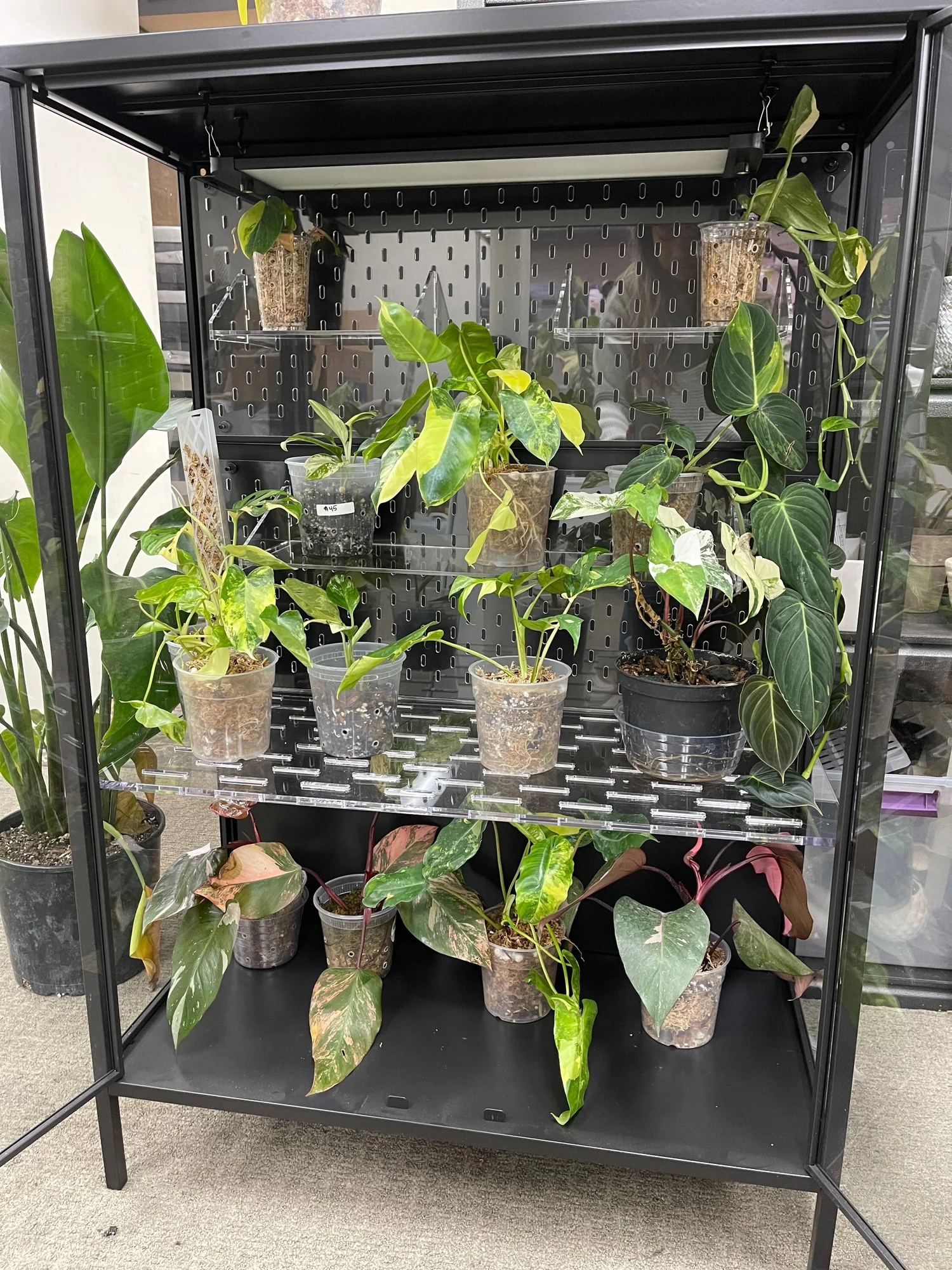
Use Case: Rudsta microclimate optimization. Custom-tailored to sit flush across the wide Rudsta frame layout, these high-clarity acrylic tiers feature precision ventilation cutouts that prevent heat stagnation beneath your shelving canopy.
Lighting

Use Case: Supplemental spot-lighting. Perfect for standard screw-in fixtures, custom architectural setups, or targeted illumination across lower tiers and floor-level micro-habitats to prevent dark pockets.

Use Case: Main shelf illumination grid. Fixed securely via magnetic installation pathways to cast deep, uniform full-spectrum rays down upon primary display sections, mimicking structural outdoor diurnal solar phases.

Use Case: Targeted nursery illumination. Fitted inside tighter nursery chambers or low-clearance racking gaps to supply gentle, focused radiant energy over newly un-spiked or young developing root clusters.
Environmental Controls & Ventilation
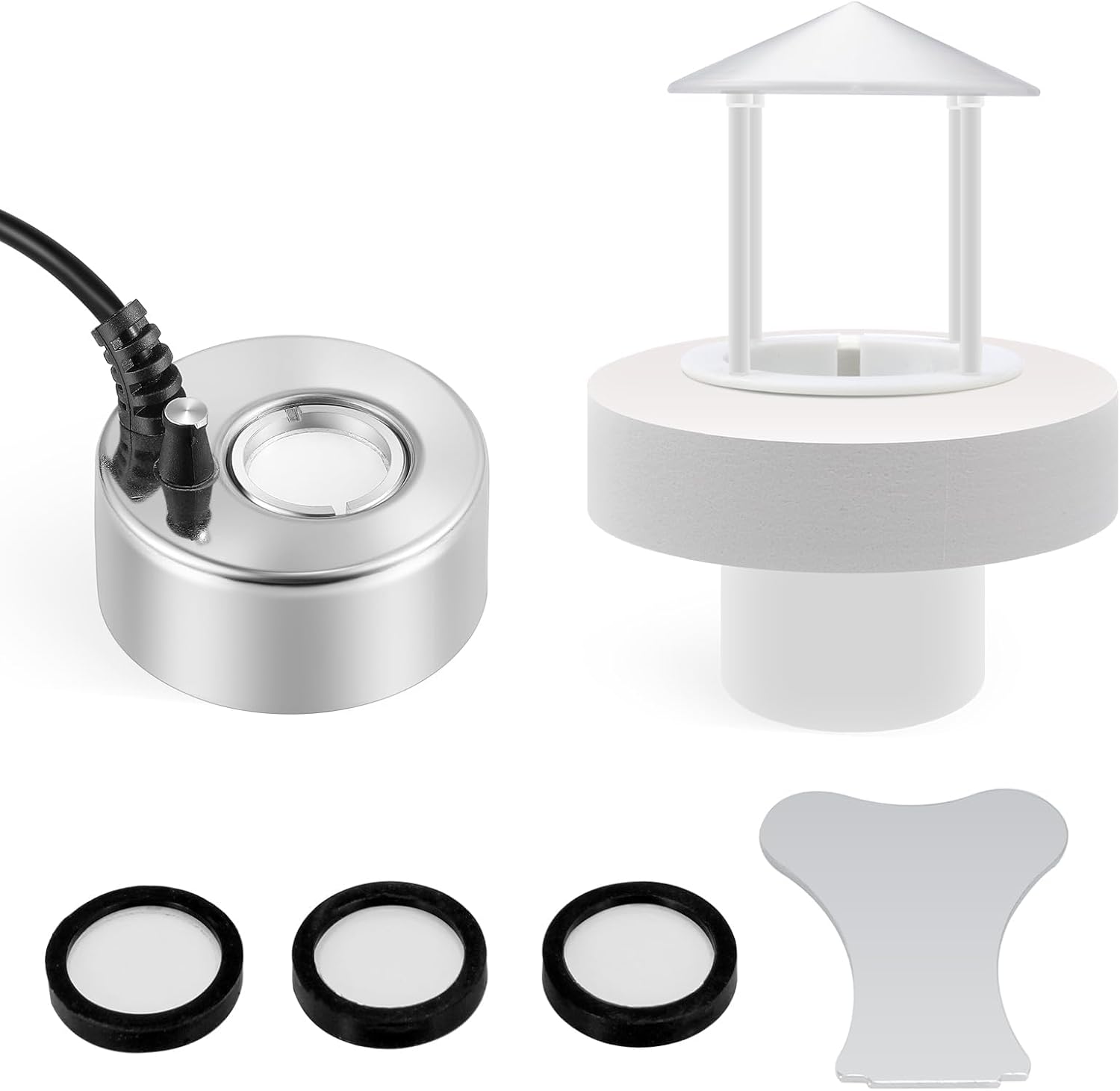
Use Case: Localized humidity generation. A heavy-duty, compact metal atomizer fitted with a splash guard, optimized for drop-in use within glass candy jar water reserves to supply a rich, dense fog bank on a timed sequence.
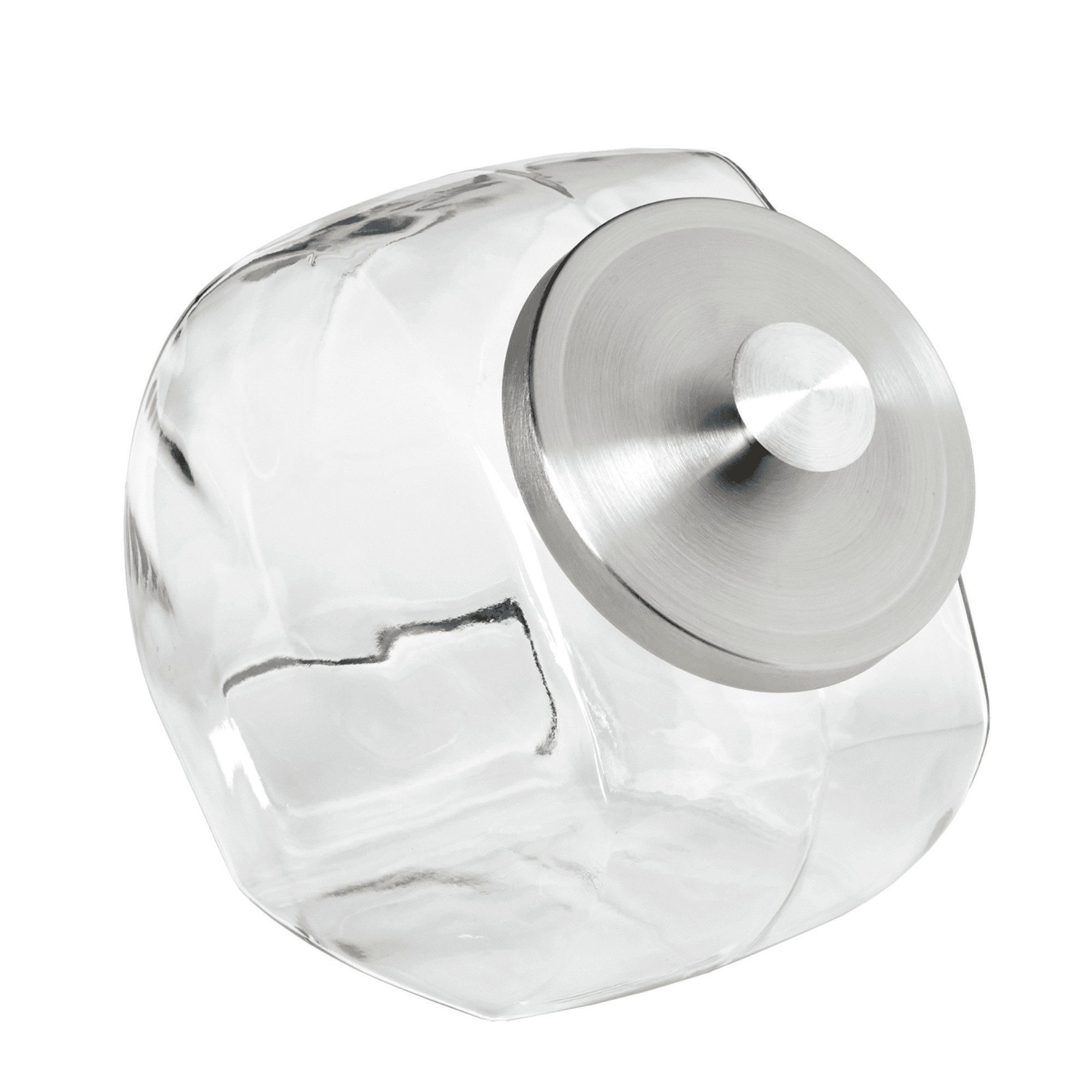
Use Case: Heavyweight, corrosion-resistant water reservoir for internal ultrasonic mist generation units. The thick-walled glass structure absorbs acoustic vibration from high-frequency transducers without mechanical degradation, while the wide-mouthed, slanted opening facilitates effortless float-valve maintenance and water line routing.

Use Case: Macro environmental automation. Deployed via flexible routing hoses directly into the large-volume cabinet systems, allowing smooth, automated vapor cycles to counteract ambient dryness without over-saturating the root mediums.

Use Case: Dynamic ecosystem management. Functions as the core logic engine to link multi-device configurations, scheduling ventilation arrays and monitoring vapor pressure deficit (VPD) curves to synchronize climate balance.

Use Case: Auxiliary system control. Deployed to manage independent wireless programming for dual accessory outlets, reading real-time environmental values to sequence power cycles on secondary fans or fog units.
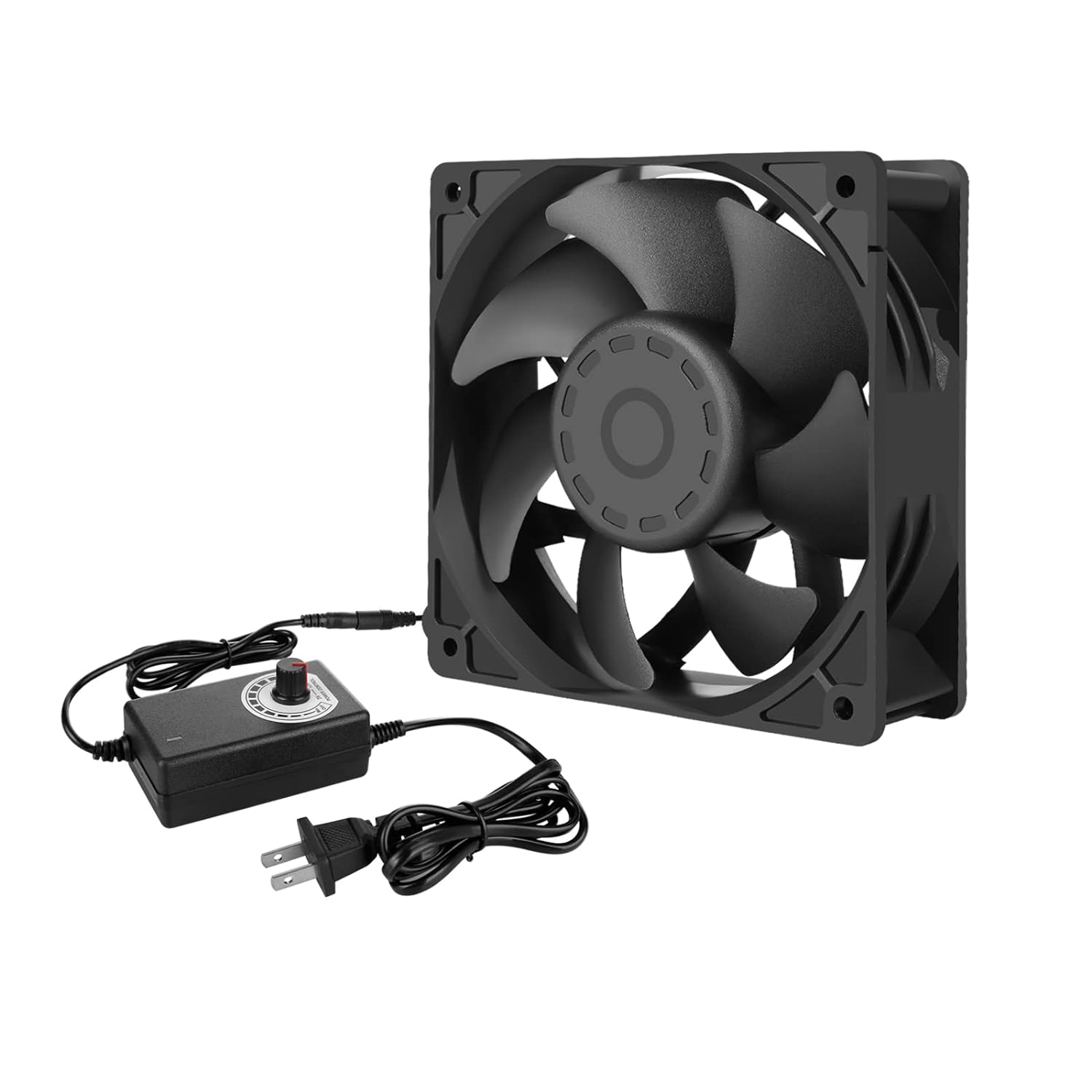
Use Case: Internal air circulation cycles. Positioned directly at the structural boundaries to cycle heavy humidity layers upward through ventilated acrylic shelving profiles, keeping air light and buoyant for epiphytic root lines.

Use Case: Real-time display monitoring. Placed inside or right alongside growth enclosures to provide an instantaneous visual readout of current heat and humidity levels, backing data up over a 164ft Bluetooth range for historical trend tracking.

Use Case: Multi-zone microclimate tracking. These highly compact sensors are ideal for tucking directly onto individual acrylic shelves or within hidden plant groupings to spot-check for stagnant air or localized humidity drops across different vertical layers.

Use Case: Targeted root zone temperature optimization. Deployed beneath seedling trays or nursery setups to provide steady, uniform baseline warmth, regulated precisely via the digital thermostat probe to encourage optimal root development without overheating the substrate.
Water Management & Monitoring

Use Case: Solution testing and purity monitoring. An essential tool for checking raw tap water base levels, verifying output quality from a countertop distiller, and precisely managing parts-per-million thresholds when mixing fertilizer soaks.
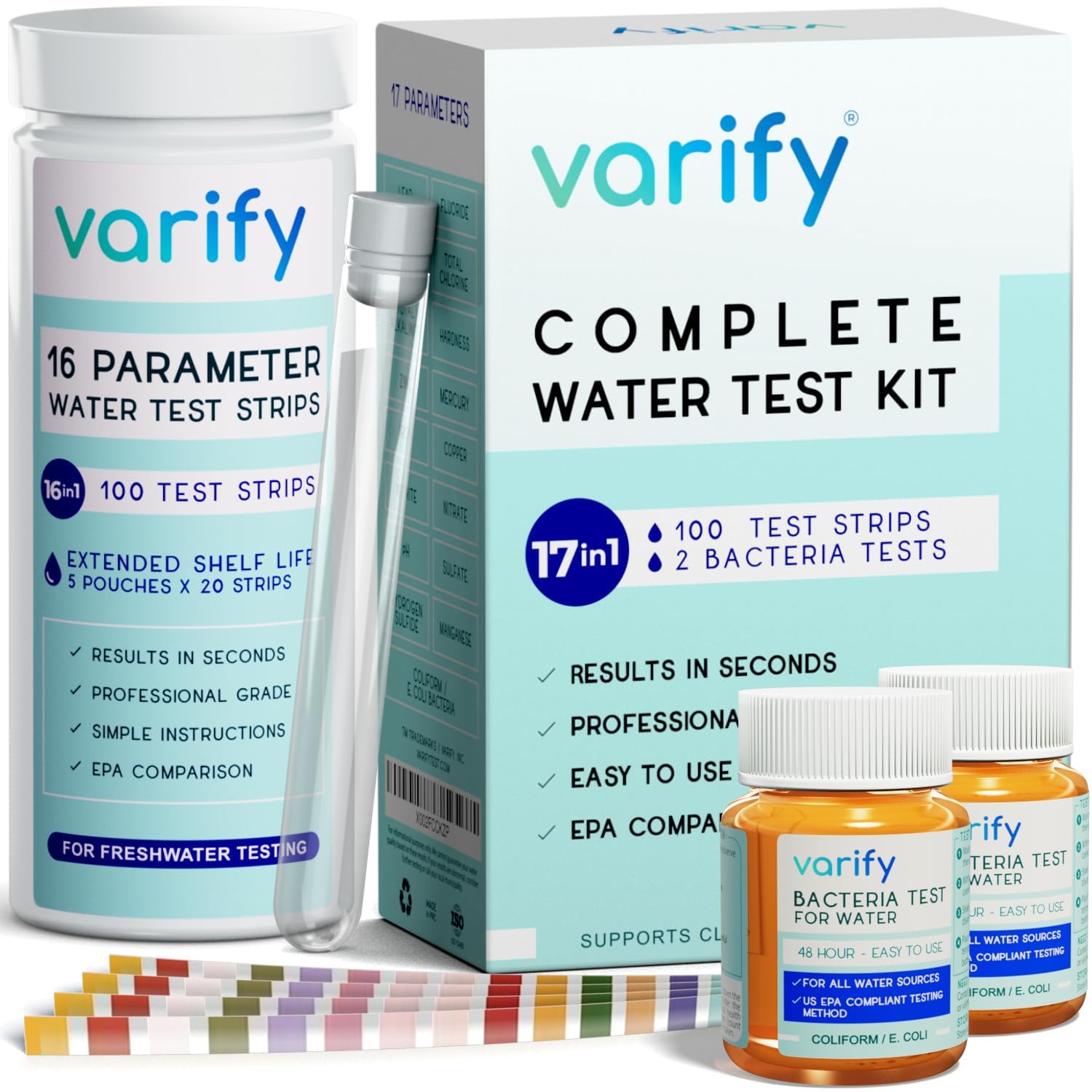
Use Case: Tap water analytical chemistry profile. Deployed to map out precise well-water components (iron, copper, hardness fractions, and base alkalinity levels) before adjusting nutritional additives.

Use Case: Targeted weekly irrigation. Employed to place calculated quantities of clean distilled water directly onto potting media setups, ensuring deep substrate saturation without causing rot in crowns or leaves.
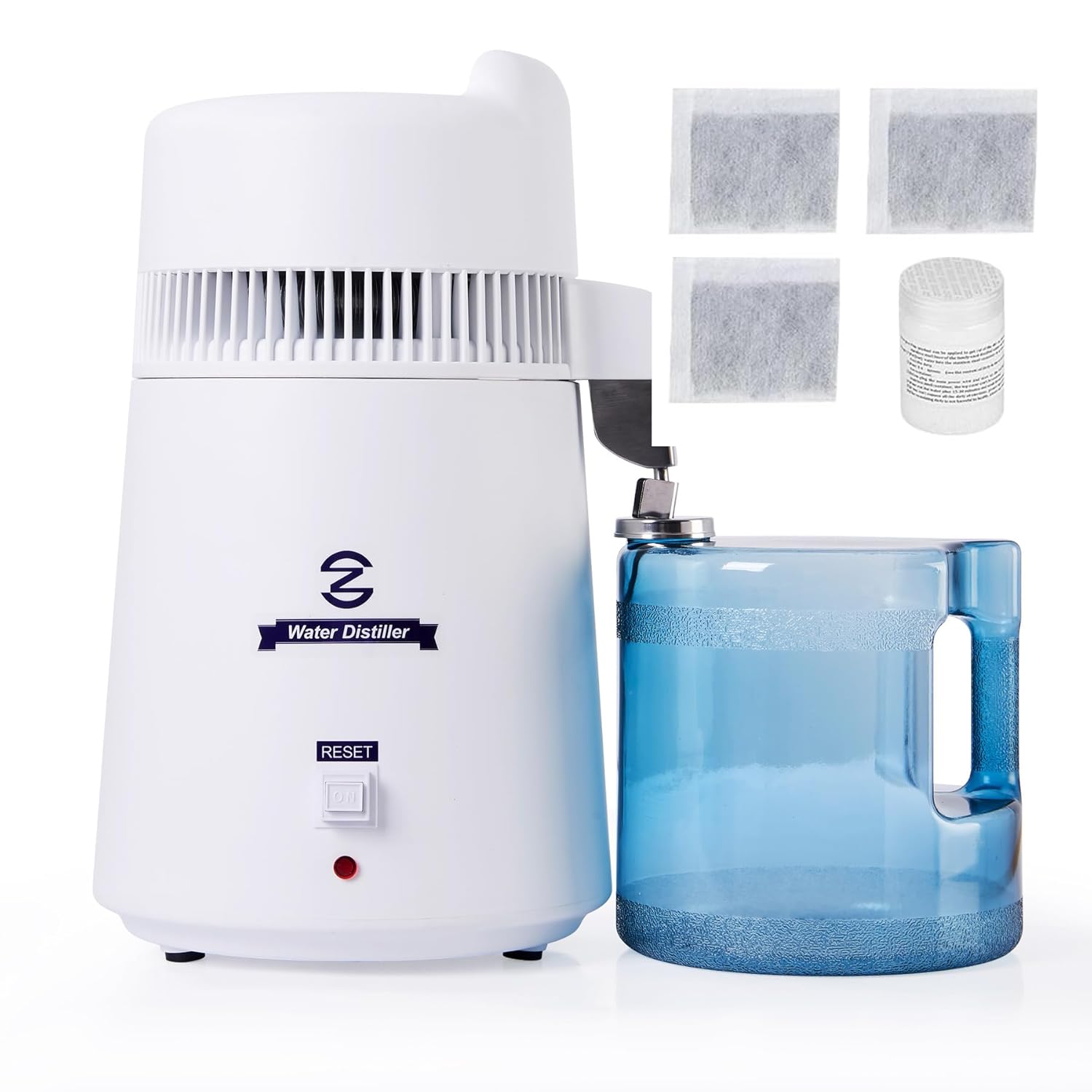
Use Case: Resource management. Essential for producing high-purity, mineral-free water on demand. Crucial for feeding the ultrasonic misting systems and automated humidifiers across the collection cabinets to completely prevent internal mineral scale buildup and white dust deposition on orchid foliage.
Plant Nutrition

Use Case: Monthly baseline nutrition. Dissolved carefully into plastic soaking basins during non-bloom vegetative phases. The completely urea-free composition maximizes natural well water trace minerals to develop robust root structure.
Cabinet Hardware & Management

Use Case: Hardware structural modification. Inserted into custom drilled entries within the metal frame bodies of the Rudsta and Milsbo cabinets to pass electrical lines outward cleanly while blocking internal air gaps.
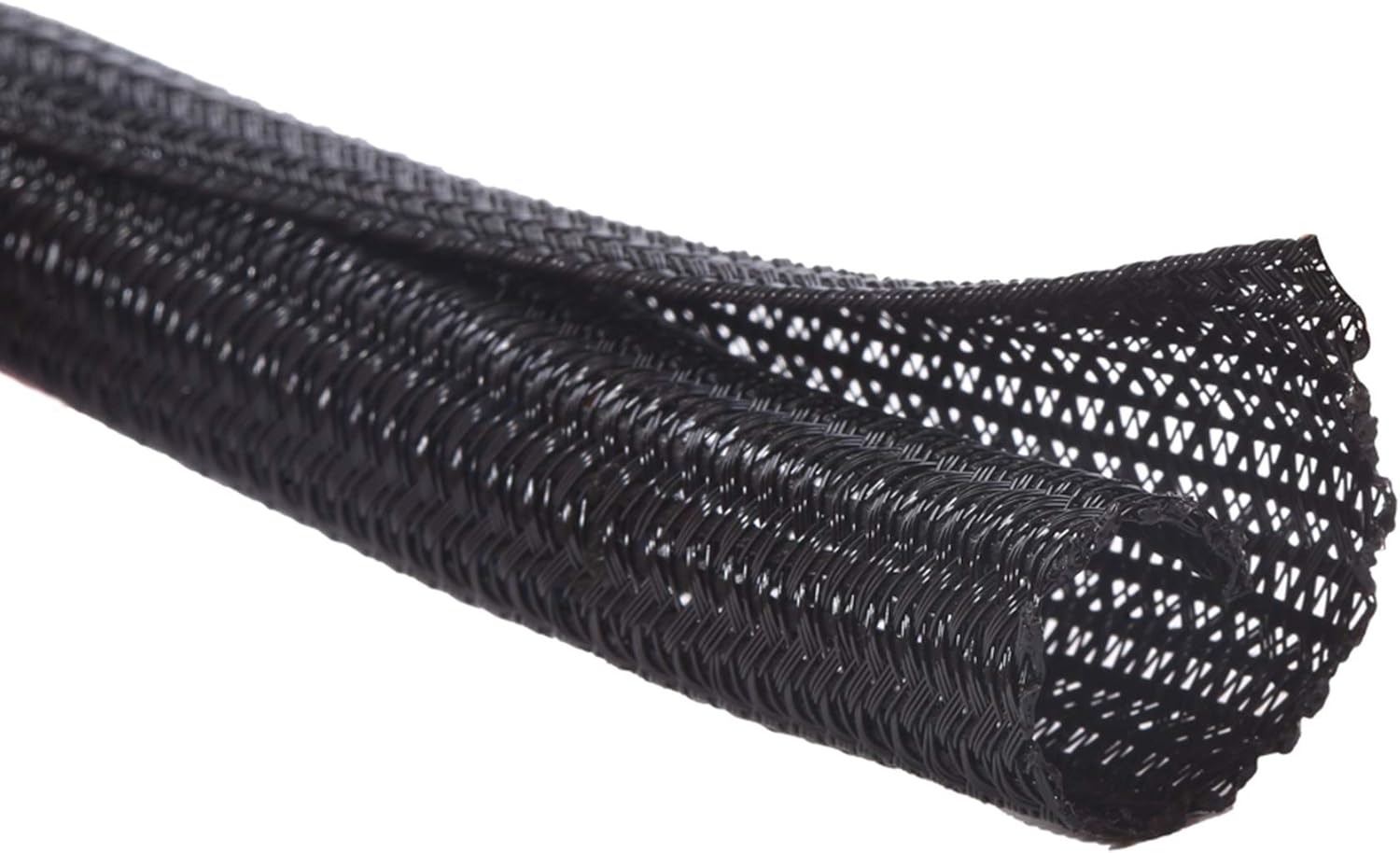
Use Case: Safety wrapping and cord bundling. Used along the peripheral track walls of the growing chambers to sheath multiple exposed power lines together, creating clean structural runs safe from humidity exposure.

Use Case: Internal layout tailoring. Deployed to pin loose fan wires or probe cords directly flat against the iron corners of the display framing, preserving a completely un-cluttered landscape view.
In the end, these tools are simply companions to the work, small pieces that help me tend the environments where the orchids grow and where I have found my own moments of stillness. This page will continue to change as my cabinets evolve, but for now it stands as a simple record of what has supported these growing spaces and the quiet rhythms they hold. It is also one small part of the larger work I have been building, a quiet record of the tools and practices that support the cabinets and the stories they hold, gathered here so the thread of this project remains unbroken as it continues to grow.
Last updated to reflect the tools and practices in use at this moment, with the understanding that these growing spaces will continue to change as I learn alongside them.
June 2026